
 Politixia

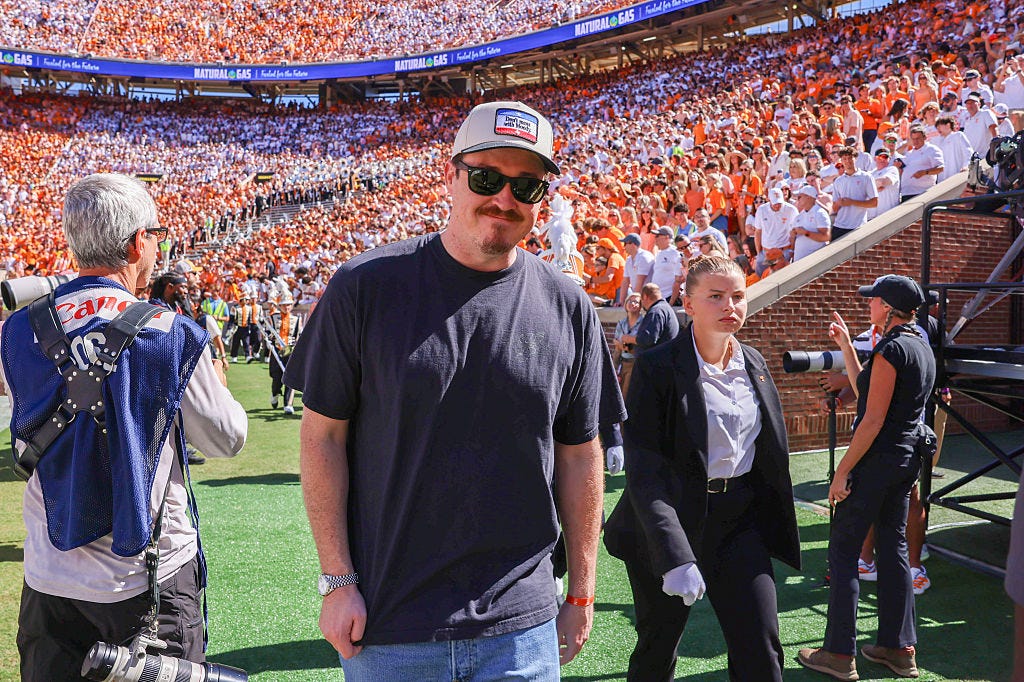
“Saw a ‘Mx.’ the other day and the first BIPOC sighting in a year. Are we back?” the writer Jay Caspian Kang asked on X a few days ago. His post was a response to Massachusetts Senator Ed Markey, who announced his office was hiring new interns, encouraging applications from “BIPOC, LGBTQ+, working class, veterans, and other underrepresented candidates with Massachusetts ties.” Kang hit on a point I’ve heard from a few cultural critics of late; some elements of “woke” seem to be creeping back into the broader culture, even asserting themselves. There’s the controversy comedian Shane Gillis kicked up for his Saturday Night Live monologue, which was mostly self-deprecating but referred to women at the gym as “whores.” There’s the ongoing national outrage over the Cornell rape case, which seems to have resuscitated, to a degree, a #meToo movement that appeared moribund. On a far less consequential level, the former executive director of the Baltimore Rock Opera Society said she was terminated because a photo showed her wearing cornrows. (She is white.) “We have received many heartfelt and concerned messages from members of our community regarding a video circulated on social media showing our new Executive Director, who is white, wearing cornrows at a recent BROS public event. We share the weight of these concerns and take this matter seriously,” a statement from Baltimore Rock Opera Society said. All of this was reminiscent of 2010s-style woke, when identity obsession led institutions to reprimand or fire individuals for relatively minor or even absurd infractions.
What does this all mean, really? I’ve been of the belief, since at least late 2023, that woke is on the decline and largely losing power. Its peak came during the pandemic, after the police murder of George Floyd, achieving something close to societal dominance. It was the era of New York Times employees revolting over a politician’s op-ed, corporations racing to implement DEI, defund the police going mainstream, and Ibram X. Kendi and Robin DiAngelo topping best-seller lists. Back in 2023, I defined “woke” as social justice politics absent the class dimension, and that still feels right. A labor leftist would fight for the right to not fire anyone capriciously; woke loved professional consequences. This was why, even when I supported certain racial justice goals, I was uneasy about woke. It was manic and usually heartless, punching up and down and sideways. As a believer in the First Amendment, I found it all disconcerting and was glad, generally, that the energy of woke was ultimately sapped. Donald Trump’s attacks on speech, cheered on by many anti-woke intellectuals, created a new kind of state-sponsored right-wing woke, chilling speech further. Naturally, I’m against this.
But the real question—one that’s worth unpacking—is whether this is all, in some form, beginning to return. Is the outrage over Gillis, for example, or the firing of the Baltimore woman enough to indicate that culture is swinging back towards the 2010s? Is “woke 1” returning? Or a new variant?
Let’s ponder it all.




GIPHY App Key not set. Please check settings